

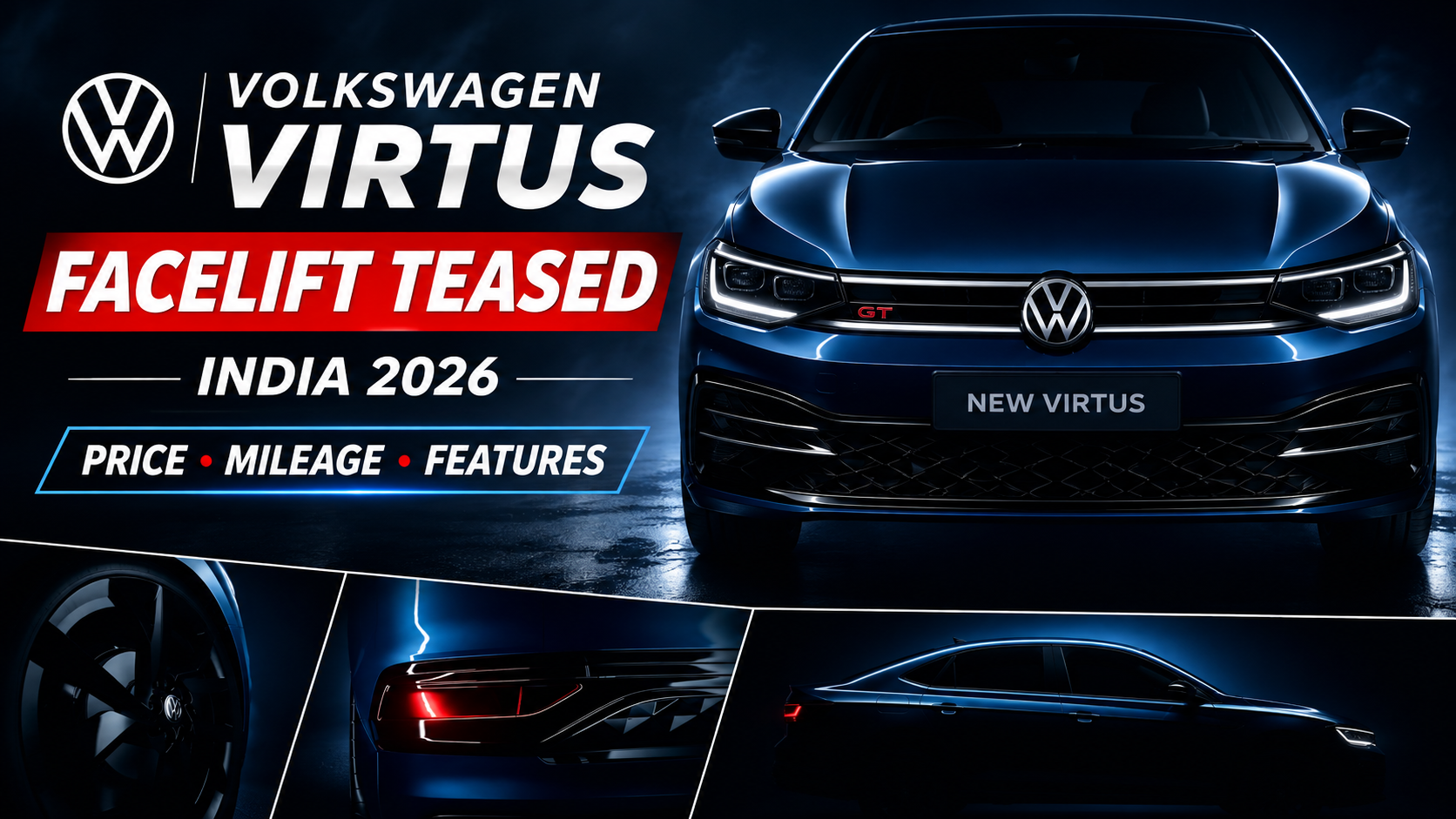
Volkswagen has teased the facelifted Virtus sedan for the Indian market, and the updated model appears ready to bring a sharper design, more premium features and a stronger technology package to the mid-size sedan segment. Based on the teaser video, recent spy shots and industry reports, the new Virtus could arrive in India by December 2026.
The facelift is expected to retain the Virtus’ strong turbo-petrol engine options, while adding fresh styling, upgraded cabin equipment and possibly a new automatic transmission. However, Volkswagen has not yet officially announced the final specifications, prices or variant-wise feature list.
Volkswagen Virtus Facelift: Latest Update
Volkswagen has released a teaser video showing the updated Virtus, creating considerable interest among sedan buyers and enthusiasts. The teaser indicates that the facelift will receive noticeable cosmetic changes, especially at the front and rear.
The new model is expected to continue with the same basic MQB-A0-IN platform and familiar sedan proportions. Instead of a complete redesign, Volkswagen appears to be focusing on a modernised appearance, additional comfort features and improved in-cabin technology.
According to recent reports, Volkswagen could launch the Virtus facelift in India in December 2026. The company has not confirmed a fixed launch date yet, but dealer stock availability around the end of the year is possible.
Updated Exterior Design
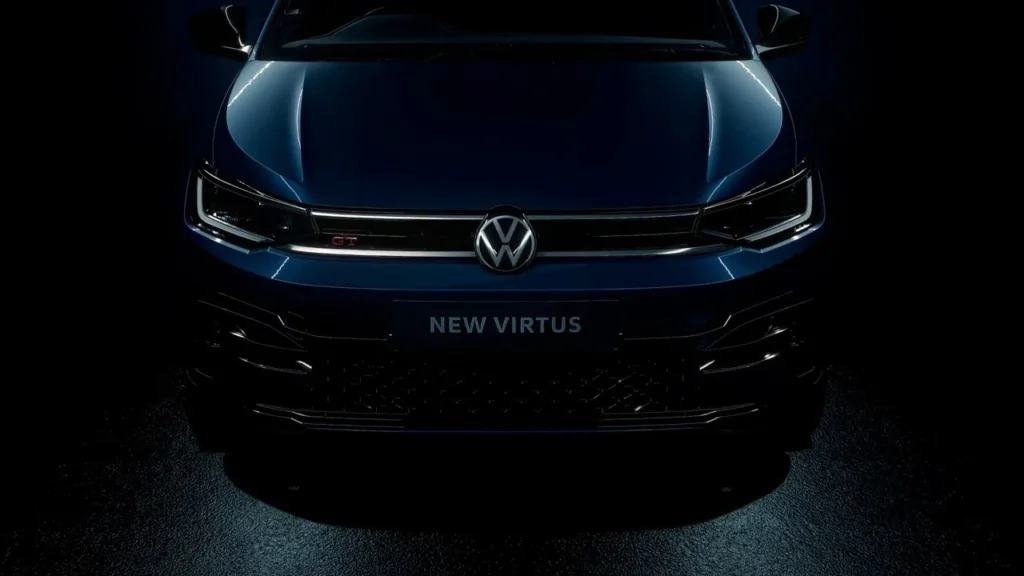
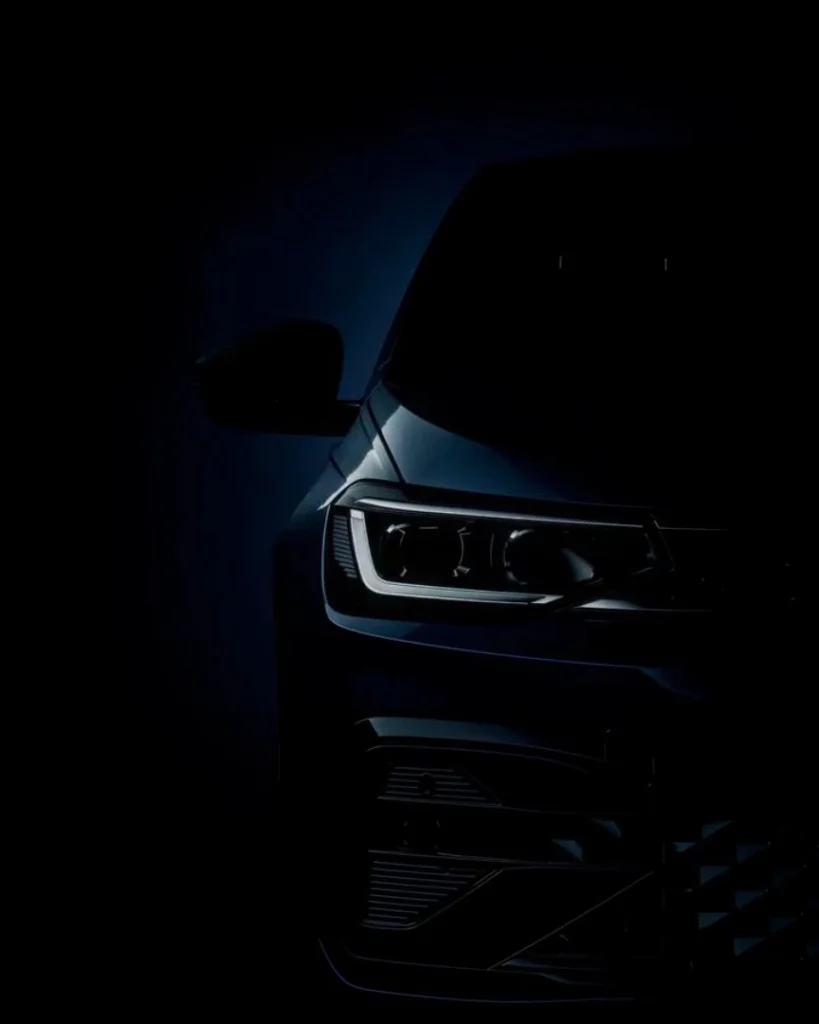
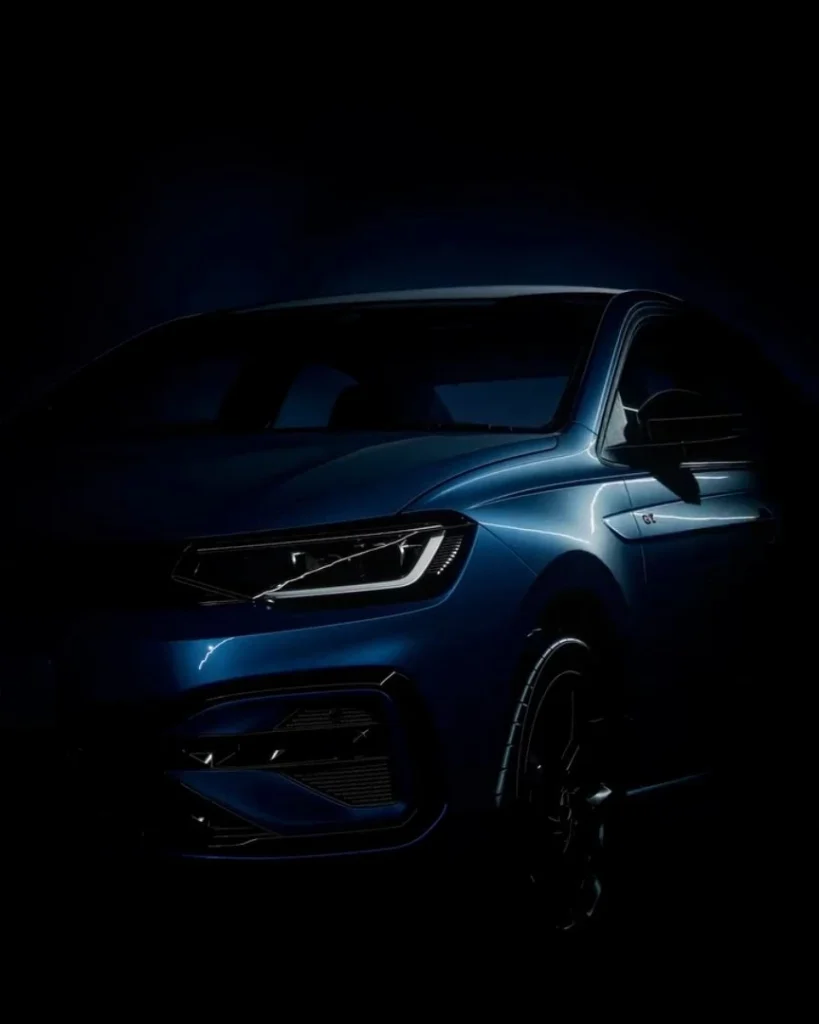
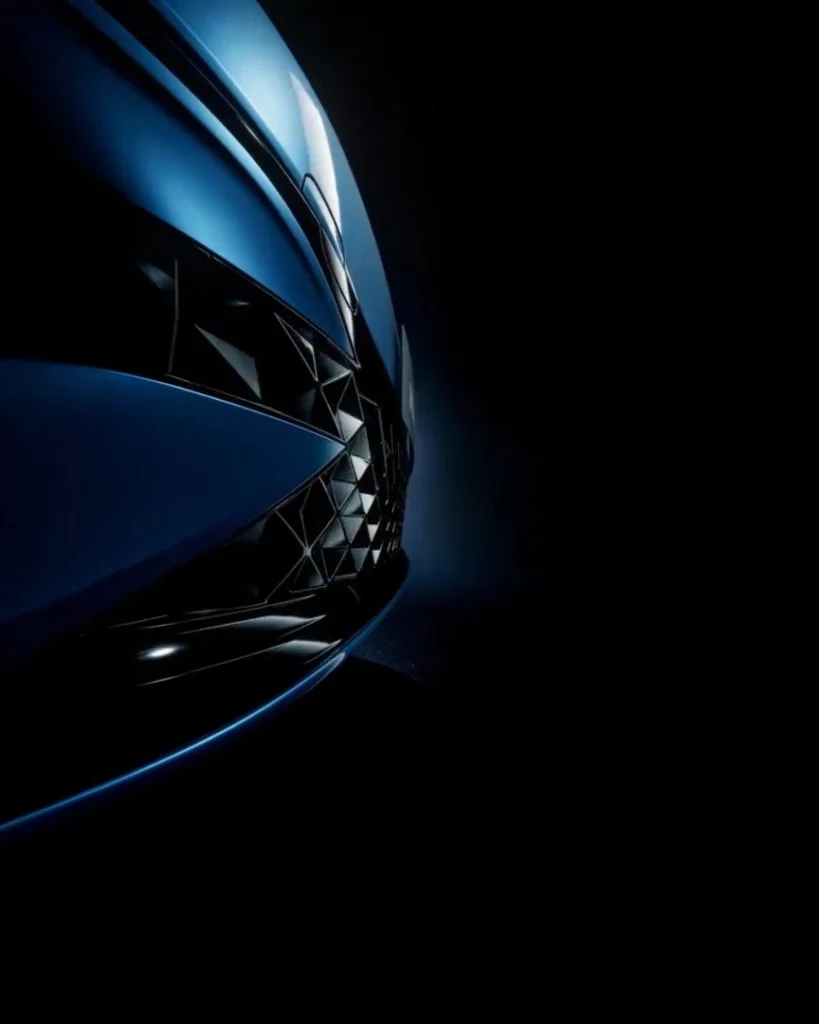
The biggest changes are expected on the front profile. The teaser and spy-shot-based reports suggest that the facelifted Virtus will feature a redesigned grille, sharper LED headlamps and a new lighting signature.
Expected front-end changes
- Revised LED headlamps.
- Updated LED daytime running lights.
- A connecting LED light bar across the grille.
- Illuminated Volkswagen logo at the centre.
- Revised front grille and bumper.
- Updated fog-lamp housing.
- Sportier lower-air-intake design.
- Possible black styling elements on GT variants.
The illuminated logo and connected light bar could give the Virtus a more premium appearance, similar to the styling direction seen on newer Volkswagen models. The headlamps are also expected to become slimmer and more angular than those on the current car.
The front bumper may receive sharper cuts and redesigned air-intake sections. Volkswagen is likely to keep the overall bonnet and shoulder design unchanged, as the facelift is expected to be an update rather than a completely new generation.
Side Profile and Alloy Wheels
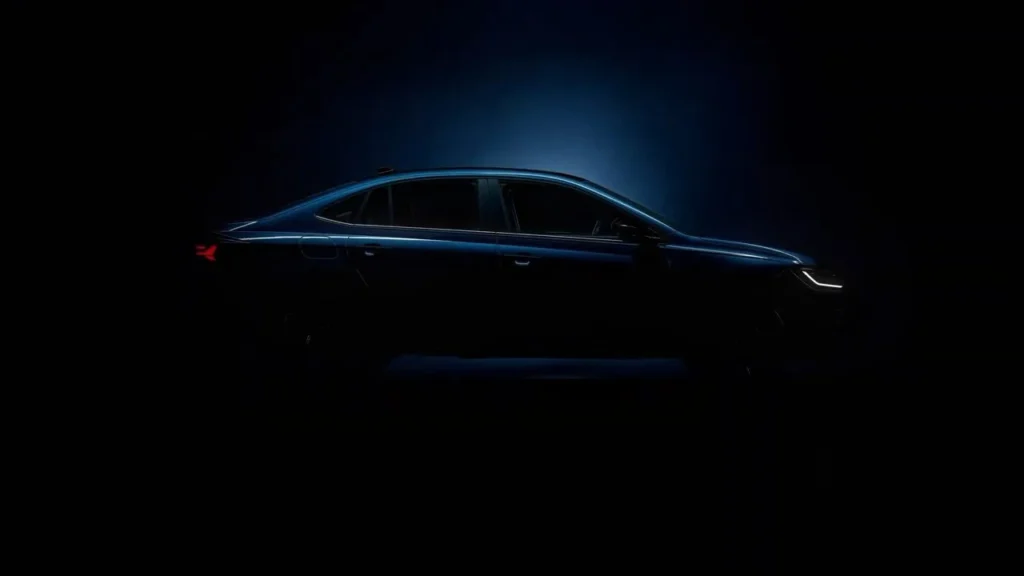
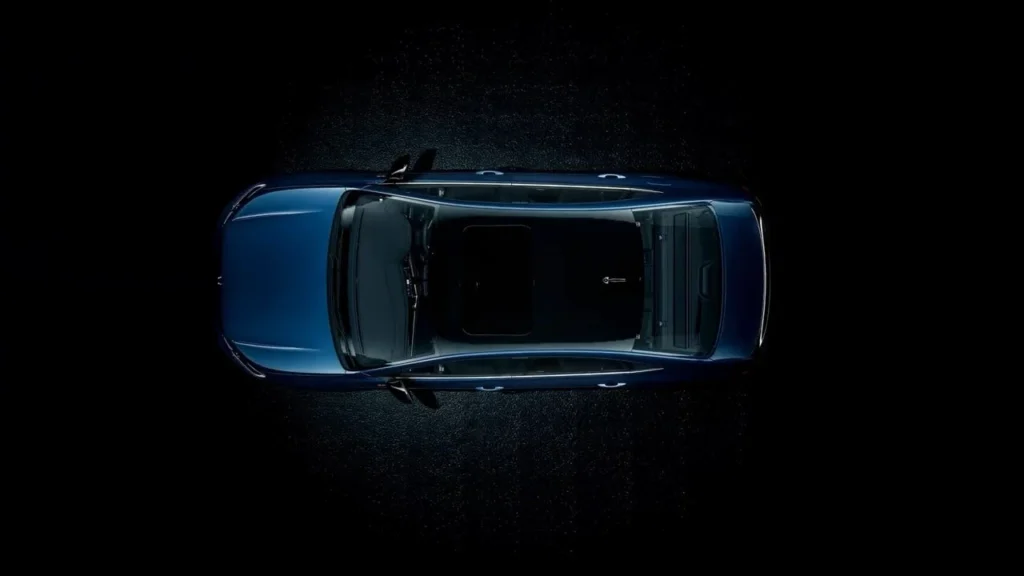
The side profile of the Volkswagen Virtus facelift is expected to remain largely unchanged. Its long bonnet, wide cabin, sloping roofline and extended boot will probably continue to give it a more mature look than several compact-looking rivals.
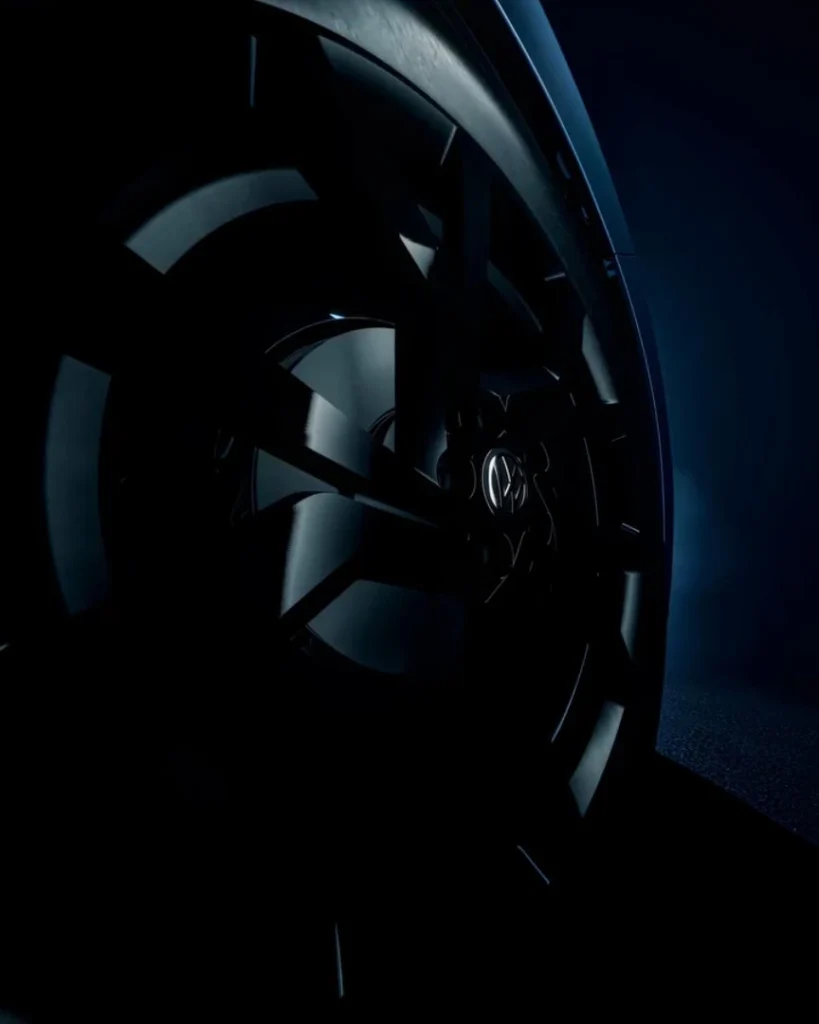
The major side-profile update could come in the form of new alloy wheels. Higher variants may receive dual-tone or black-finished alloys, especially in the sportier GT trim.
Expected exterior changes include:
- New alloy-wheel designs.
- Possible black-finished wheels on GT variants.
- New exterior colours.
- Updated ORVM detailing.
- Revised chrome and black trims.
- Existing coupe-like sedan silhouette.
The Virtus already has a longer and more planted appearance than many vehicles in its segment. Therefore, Volkswagen may avoid major structural changes and concentrate on wheel designs and trim updates.
Rear Design Changes
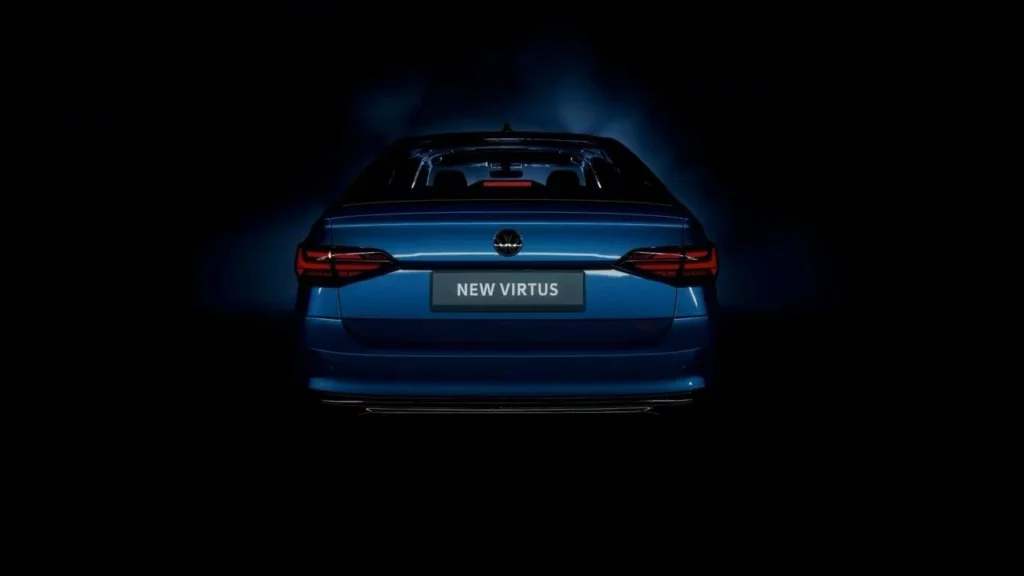
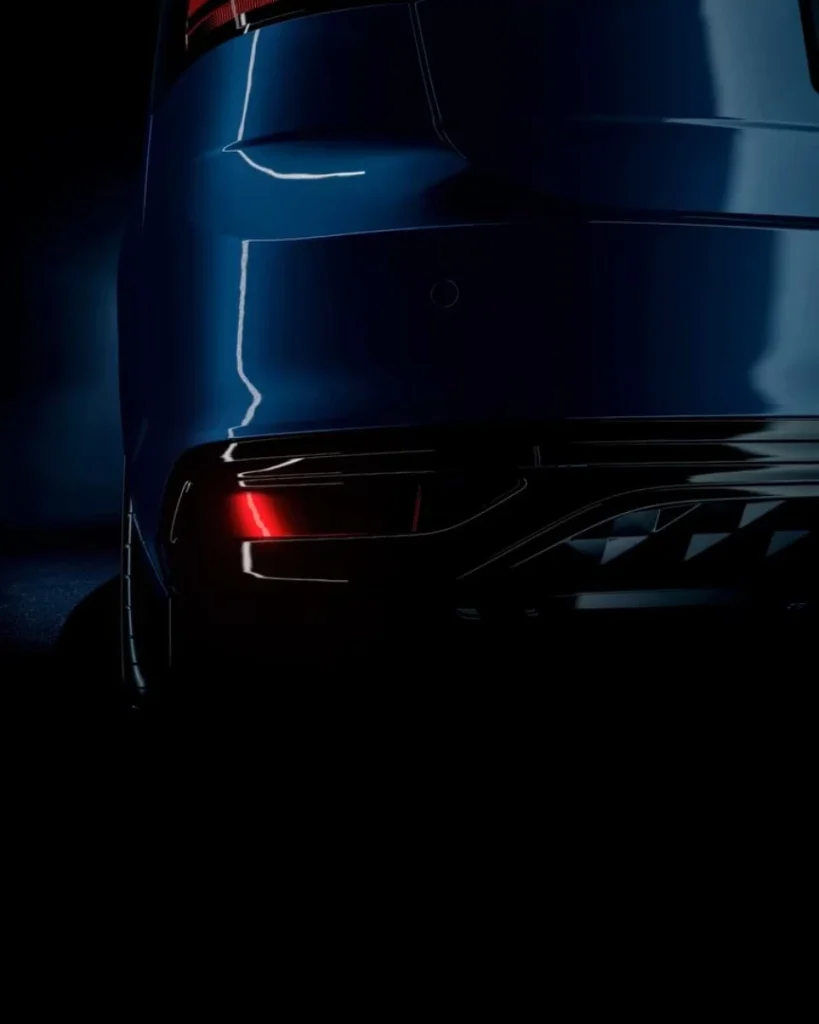
The rear section is also expected to receive a few important styling updates. Reports indicate that the facelift could get revised LED tail lamps, an updated boot lid and a redesigned rear bumper.
The rear lighting signature may feature horizontal LED elements. There is also speculation that Volkswagen could introduce an illuminated logo on the tailgate, although this detail will need confirmation at the time of launch.
Expected rear updates include:
- Revised LED tail lamps.
- Updated tail-lamp internal design.
- Redesigned boot-lid detailing.
- Possible illuminated rear Volkswagen logo.
- New rear bumper.
- Revised reflector and diffuser styling.
- GT badging on performance-oriented variants.
The changes should make the Virtus look wider and more sophisticated from the rear without affecting its basic boot shape.
Volkswagen Virtus Facelift Interior
Volkswagen has not revealed the complete cabin of the facelifted Virtus, but reports indicate that the interior could receive a more feature-rich treatment.
The dashboard layout may remain familiar, but the sedan could get an upgraded digital instrument cluster, revised infotainment software and additional comfort equipment. The current Virtus already offers a relatively driver-focused cabin, and the facelift may add more premium touches to improve its appeal against the Hyundai Verna and Honda City.
Expected cabin features
- Larger digital driver’s display.
- Updated touchscreen infotainment system.
- Wireless Android Auto and Apple CarPlay.
- Wireless smartphone charger.
- Electric front seats.
- Ventilated front seats.
- Leatherette upholstery.
- Ambient lighting.
- Auto-dimming inside rear-view mirror.
- Automatic climate control.
- Rear-seat comfort improvements.
- Multifunction steering wheel.
- Rear USB charging ports.
- Six airbags.
- Rear AC vents.
- Electric sunroof on selected variants.
- Improved cabin insulation.
Some reports suggest that the facelift could receive a larger 10.25-inch digital driver display, compared with the current 8-inch unit. An updated infotainment screen and additional premium equipment are also expected, although Volkswagen has not yet confirmed the final screen size.
There is also speculation about a rear-seat massager function and more advanced seat comfort features. These additions, if introduced, could help the Virtus differentiate itself from the Honda City and Hyundai Verna.
Also Read: Honda Alpha Electric SUV India Launch Dec 2: Price Rs 17-22 Lakh, 500km Range, Full Specs & Rivals
Expected Safety Features
Safety has traditionally been one of the strongest selling points of the Volkswagen Virtus. The facelift is expected to continue offering a comprehensive safety package across higher variants, with some features possibly becoming standard on more trims.
Expected safety equipment
- Six airbags.
- Electronic Stability Control.
- Anti-lock braking system with EBD.
- Traction control.
- Hill-hold control.
- Multi-collision braking.
- Tyre-pressure monitoring system.
- Rear parking camera.
- Front and rear parking sensors.
- ISOFIX child-seat mounts.
- Electronic differential lock.
- Driver and passenger seat-belt reminders.
- Speed-sensing door locks.
- 360-degree camera on higher variants, if confirmed.
The 360-degree camera is currently an enthusiast expectation and has not been officially confirmed. If Volkswagen adds it, the feature would make parking easier in crowded Indian cities such as Delhi, Mumbai, Bengaluru and Bhopal.
Advanced driver-assistance features such as adaptive cruise control, lane-keeping assist and autonomous emergency braking have not been officially confirmed for the Indian-spec Virtus facelift. Buyers should therefore wait for the final feature list before considering ADAS as part of the package.
Expected Engine and Transmission Options
The mechanical package is expected to remain based on Volkswagen’s turbo-petrol engine family. The facelift is likely to continue with a 1.0-litre TSI and a 1.5-litre TSI engine.
1.0-litre TSI engine
The 1.0-litre turbo-petrol engine is expected to continue producing approximately:
- Power: Around 115 PS.
- Torque: Around 178 Nm.
- Transmission: 6-speed manual.
- Automatic: Existing 6-speed torque-converter automatic or a possible new 8-speed automatic.
One of the most discussed changes is the possibility of an 8-speed torque-converter automatic transmission with the 1.0-litre turbo-petrol engine. Reports suggest that this gearbox could replace the existing 6-speed automatic, but Volkswagen has not officially confirmed the change.
If introduced, the 8-speed unit could improve cruising refinement, fuel efficiency and gear-shifting smoothness. It may also make the Virtus more attractive to buyers who want an automatic sedan for daily traffic.
1.5-litre TSI engine
The higher-specification GT variants are expected to continue with the 1.5-litre turbo-petrol engine.
Expected specifications:
- Engine: 1.5-litre turbo-petrol.
- Power: Around 150 PS.
- Torque: Around 250 Nm.
- Transmission: 7-speed DSG automatic.
- Drive layout: Front-wheel drive.
- Cylinder technology: Expected active cylinder technology, subject to confirmation.
The 1.5-litre TSI is likely to remain the performance-focused option in the range. It should continue to appeal to enthusiasts who want quick acceleration and strong highway performance.
Volkswagen is unlikely to introduce a diesel engine, CNG powertrain or hybrid system with this facelift. The Virtus facelift is expected to remain a petrol-only sedan.
Expected Specifications
The following specifications are based on the current Virtus package and expected updates. Volkswagen may revise them at the time of launch.
| Specification | Expected Volkswagen Virtus Facelift |
|---|---|
| Body type | Five-seater mid-size sedan |
| Platform | MQB-A0-IN |
| Engine options | 1.0-litre turbo-petrol and 1.5-litre turbo-petrol |
| Expected power | Around 115 PS and 150 PS |
| Expected torque | Around 178 Nm and 250 Nm |
| Manual gearbox | 6-speed manual |
| Automatic gearbox | 6-speed automatic, possible 8-speed automatic |
| Performance automatic | 7-speed DSG |
| Drive type | Front-wheel drive |
| Seating capacity | Five occupants |
| Fuel type | Petrol |
| Boot space | Expected around 521 litres |
| Wheel size | Expected 16-inch or 17-inch alloys, variant dependent |
| Suspension | Front MacPherson strut, rear torsion-beam type setup |
| Brakes | Front disc and rear disc/drum setup, variant dependent |
| Safety | Six airbags, ESC, ABS, parking sensors and camera |
| Expected launch | December 2026 |
| Expected price | Approximately ₹11 lakh to ₹20 lakh, ex-showroom |
The final dimensions, kerb weight, ground clearance, tyre size and boot capacity may differ slightly from the current model. Volkswagen is expected to retain the Virtus’ practical sedan layout and generous luggage space.
Also Read: 2026 Hyundai Bayon Launched in India: Price, Specs, Mileage & Features
Expected Mileage
Volkswagen has not announced the official ARAI mileage figures for the facelifted Virtus. Based on the existing engine and transmission combinations, the expected mileage could be as follows:
| Engine and gearbox | Expected mileage |
|---|---|
| 1.0 TSI manual | Around 19–20 kmpl |
| 1.0 TSI automatic | Around 18–19 kmpl |
| 1.5 TSI DSG | Around 18–19 kmpl |
| Real-world city mileage | Around 10–14 kmpl |
| Real-world highway mileage | Around 16–20 kmpl |
Actual mileage will depend on traffic, driving style, fuel quality, tyre pressure, air-conditioning use and road conditions. In heavy city traffic, buyers should not expect the official figure every day.
The 1.0-litre engine could be the more economical choice for regular office commuting, while the 1.5-litre engine will be better suited to buyers who prioritise performance.
Expected Price in India
The current Virtus facelift is expected to be positioned slightly above the outgoing model, particularly if Volkswagen adds an illuminated logo, larger displays, electric seats, upgraded upholstery and a new automatic transmission.
Expected ex-showroom price
- Base 1.0 TSI manual: Around ₹11 lakh.
- Mid-spec 1.0 TSI variants: Around ₹12.5 lakh to ₹15 lakh.
- 1.0 TSI automatic variants: Around ₹14.5 lakh to ₹17 lakh.
- 1.5 TSI GT variant: Around ₹17 lakh to ₹20 lakh.
These are estimated ex-showroom prices and should not be treated as official figures. The final price will depend on variant distribution, new equipment, taxation and whether Volkswagen changes the automatic transmission lineup.
If the company keeps the starting price close to the current model, the facelift could become a strong value proposition. However, a significant price increase may push the top-end Virtus close to entry-level premium sedans and SUVs.
Volkswagen Virtus Facelift Rivals
The updated Virtus will continue to compete in India’s mid-size sedan segment. Its main rivals will include the Hyundai Verna, Honda City and Skoda Slavia.
Volkswagen Virtus vs Hyundai Verna
The Hyundai Verna is known for its modern design, feature-loaded cabin and powerful turbo-petrol engine. It offers a strong technology package, including a large infotainment setup and several convenience features.
The Virtus, in comparison, is expected to attract buyers with its European styling, driving dynamics, turbo-petrol performance and solid highway manners. The Verna may remain stronger in cabin features and rear-seat comfort, while the Virtus could appeal more to driving enthusiasts.
Volkswagen Virtus vs Honda City
The Honda City remains popular because of its comfortable ride, spacious cabin, reliable petrol engine and strong resale reputation. It is a sensible choice for families who want a refined sedan for city and highway use.
The Virtus is likely to offer more turbocharged performance and a sportier driving experience. The Honda City may continue to have an advantage in rear-seat comfort and relaxed urban driving, while the Virtus could be preferred by buyers looking for stronger acceleration and European styling.
Volkswagen Virtus vs Skoda Slavia
The Skoda Slavia is the closest sibling to the Virtus because both models share the same platform and major engine options. The Slavia generally offers a different design personality, with a more European and understated appearance.
The facelifted Virtus may differentiate itself through Volkswagen’s lighting design, GT branding, feature packaging and brand positioning. Buyers will likely choose between the two based on styling, dealership experience, offers and after-sales support.
| Factor | Volkswagen Virtus Facelift | Hyundai Verna | Honda City | Skoda Slavia |
|---|---|---|---|---|
| Design focus | Sporty and premium | Modern and feature-rich | Elegant and family-oriented | European and understated |
| Engine character | Turbo-petrol focused | Naturally aspirated and turbo-petrol options | Smooth petrol engine | Turbo-petrol options |
| Driving feel | Expected to be sporty | Quick in turbo form | Comfortable and relaxed | Driver-focused |
| Expected strength | Styling, performance and safety | Features and technology | Comfort and reliability | Handling and European feel |
| Automatic options | Expected automatic and DSG options | IVT and DCT, variant dependent | CVT | Automatic and DSG options |
| Best suited for | Enthusiasts and urban professionals | Feature-focused buyers | Family buyers | Buyers wanting a European sedan |
What Makes the GT Variant Special?
The GT badge is expected to remain associated with the more powerful 1.5-litre TSI version. It could receive visual upgrades such as black alloys, darker exterior trims, GT badging and sportier interior accents.
Expected GT-specific equipment may include:
- 1.5-litre turbo-petrol engine.
- 7-speed DSG gearbox.
- Black or dual-tone alloy wheels.
- GT badging.
- Dark interior theme.
- Sportier upholstery.
- Red or contrast detailing.
- Larger wheels on higher variants.
- Enhanced exterior trim.
Volkswagen’s GT branding has strong recall among enthusiasts because it combines everyday usability with stronger performance. The facelift could make the GT version more attractive to buyers who want a sedan that feels exciting without moving to a much more expensive performance car.
Expert Opinion
From a product perspective, the Virtus facelift appears to be a timely update rather than a complete transformation. The Virtus already has a strong foundation in terms of platform, engine performance, boot space and driving dynamics. The facelift’s success will depend on whether Volkswagen improves the areas where rivals currently have an advantage, especially infotainment, cabin convenience and automatic-transmission choice.
The possible 8-speed automatic for the 1.0-litre engine could be one of the most important upgrades. A smoother and more efficient automatic transmission would make the Virtus more appealing to buyers who spend long hours in traffic.
The company should also price the updated sedan carefully. If the Virtus becomes too expensive, customers may shift towards SUVs such as the Volkswagen Taigun, Hyundai Creta and Kia Seltos. However, competitive pricing combined with better features could bring more attention back to the sedan category.
Market Impact in India
The facelift could give Volkswagen a stronger position in the premium sedan market. The Virtus is already one of the company’s key India 2.0 products, and the update may help it remain relevant against newer and more feature-rich rivals.
The expected market impact includes:
- Increased interest in mid-size sedans.
- Stronger competition for the Hyundai Verna and Honda City.
- More buyers considering turbo-petrol cars.
- Better appeal among young professionals.
- Higher demand for automatic variants.
- Greater showroom enquiries before the festive and year-end season.
- Possible pressure on rivals to add more technology and styling updates.
Sedans continue to face competition from compact and mid-size SUVs, but models such as the Virtus offer advantages including better highway stability, lower seating height, improved aerodynamics and large boot space. A refreshed design may help Volkswagen attract buyers who want something different from the typical SUV.
Expected Launch Timeline
Volkswagen is expected to introduce the Virtus facelift in India around December 2026. The final launch date, booking schedule and variant-wise details have not yet been officially announced.
A likely launch process may include:
- Official unveiling or detailed teaser campaign.
- Announcement of variant and engine options.
- Price reveal at the launch event.
- Bookings opening online and through dealerships.
- Test-drive vehicles reaching showrooms.
- Deliveries beginning shortly after launch.
The exact timeline may vary depending on production and dealer allocation.
Volkswagen Virtus Facelift 2026 Photos
Important Disclaimer
The launch date, price, mileage, gearbox options and specifications mentioned above are based on teaser details, test-mule reports and industry expectations. Volkswagen has not yet officially confirmed the complete variant-wise specifications of the Virtus facelift, so final details may change at the time of launch.
Also Read: KTM RC 450 Unveiled at EICMA 2026: 55bhp, Full Specs, Mileage, India Price and Rivals
Frequently Asked Questions (FAQs)
When will the Volkswagen Virtus facelift launch in India?
The Virtus facelift is expected to launch in India by December 2026, although Volkswagen has not announced the final launch date.
What changes will the Virtus facelift get?
The expected updates include redesigned LED headlamps, connecting LED DRLs, illuminated Volkswagen logos, new alloy wheels, revised tail lamps, updated bumpers and additional cabin features.
Will the Virtus facelift get an 8-speed automatic gearbox?
An 8-speed torque-converter automatic is expected with the 1.0-litre turbo-petrol engine, but this has not been officially confirmed by Volkswagen.
What will be the expected price of the new Virtus?
The expected ex-showroom price could start at around ₹11 lakh and go up to approximately ₹20 lakh for the top-spec GT version.
What mileage will the Virtus facelift deliver?
The expected claimed mileage could be around 18–20 kmpl, depending on the engine and gearbox. Real-world city mileage may be lower.
Which cars will compete with the new Virtus?
The main rivals will include the Hyundai Verna, Honda City and Skoda Slavia. The car may also face indirect competition from SUVs such as the Hyundai Creta, Kia Seltos and Volkswagen Taigun.
Will the new Virtus get a 360-degree camera?
A 360-degree camera is being discussed as a possible feature, but Volkswagen has not officially confirmed it.
Will the new Virtus get a diesel engine?
No diesel engine is expected. The facelift is likely to continue with turbo-petrol engines only.
Also Read: TVS Apache RTR 125 Unveiled at EICMA 2026: 14.7bhp, Mileage, Expected India Price, Full Specs

